
Pest control for condos and apartments
The building is the client, not the unit, because in a multi-unit building one suite is never the whole problem.
- The building is the client
- not the one suite that called
- Neighbouring suites checked
- as part of the job, not a second booking
- A record for the board
- ready for residents and the minutes
Where it starts
One suite is never the whole problem
In a multi-unit building the walls are shared and so is everything living in them. Treating the suite that complained and stopping there is the most expensive way to run a building, because the population simply moves one wall over and comes back as a second complaint in six weeks.
Treat the suite that called
- One unit treated, the shared walls either side untouched
- The population moves one wall over and waits
- A second complaint in six weeks, billed as a new job
Treat the building
- The suite either side, and above and below. Bed bugs and roaches travel through shared walls, risers and outlets. The unit that reported it is often not the unit it started in.
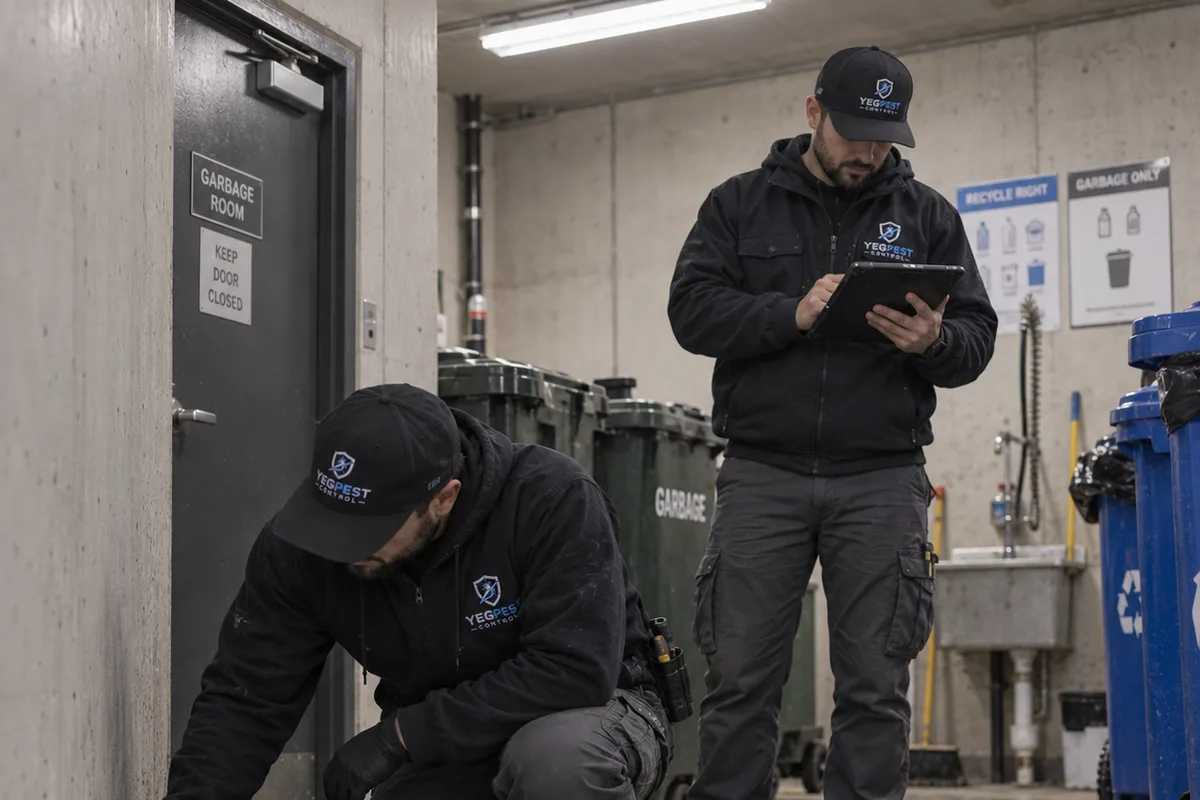
- Chutes, bin rooms and shared storage. The parts of the building every resident uses and nobody owns. This is where a building-wide problem is fed.
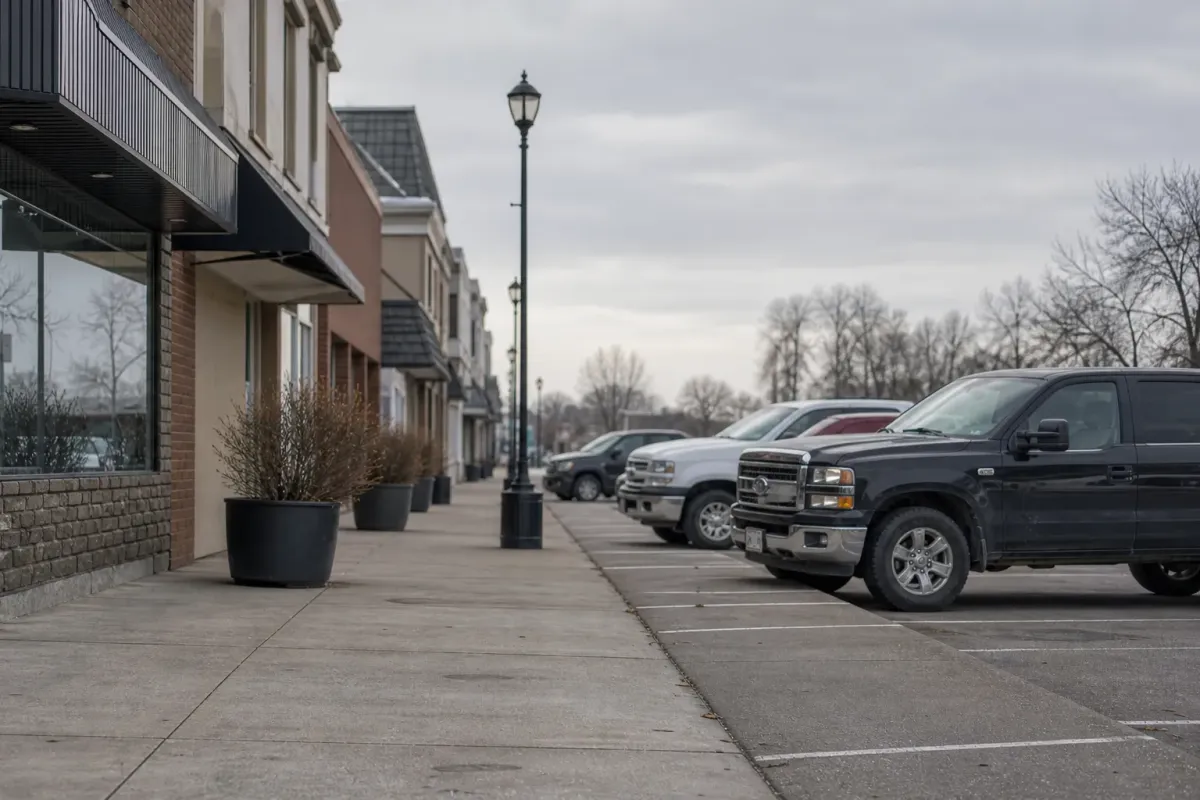
- Underground parkade and the perimeter. A permanently open entrance at the lowest point of the building, with the utility runs that lead up from it.
You answer to a board and to residents
A board needs to show it acted, residents need to be told something, and an unresolved infestation in a multi-unit building becomes a special assessment or a dispute. What settles both is a plan on paper and a record of it being followed.
Some of the accounts we run
Restaurants, grocery, property management and condo boards across the city, on the same documented schedule.










The visit
What a building visit is built around
- The building assessed as one system, not as the unit that called
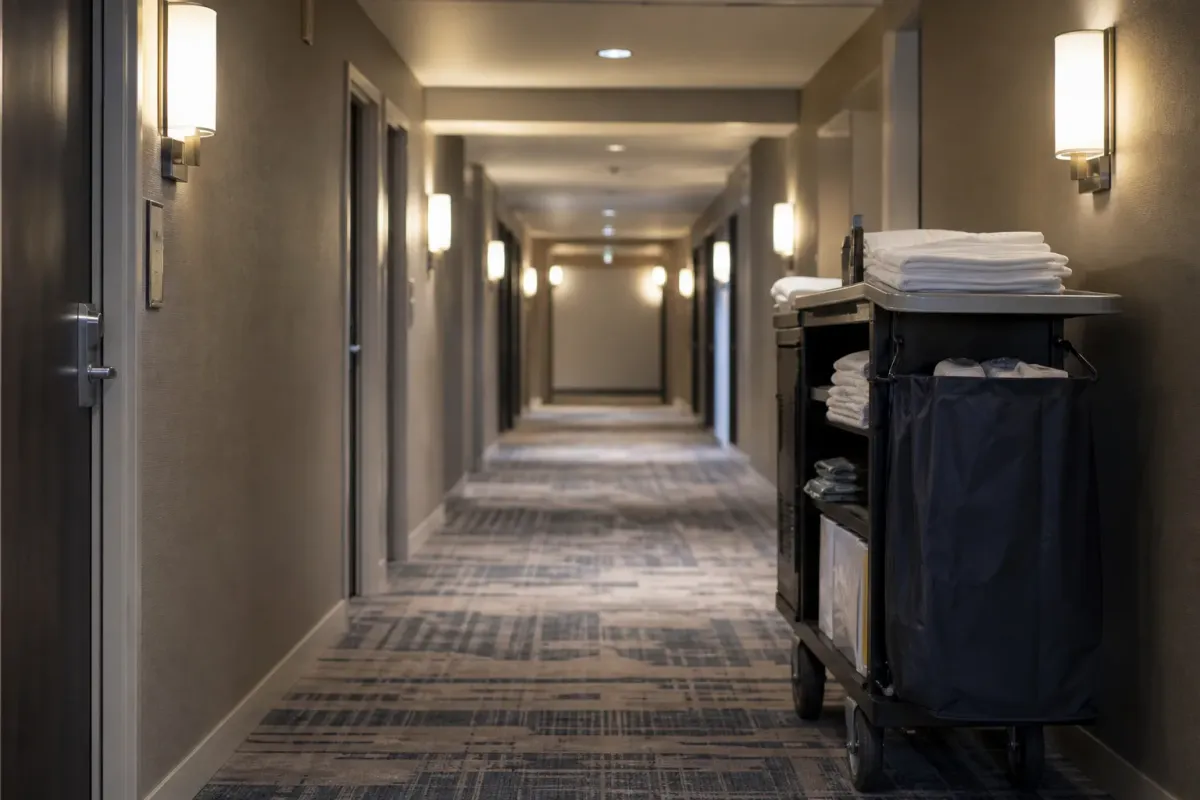
- Neighbouring suites checked as part of the job rather than as a second booking
- Common areas, chutes and the parkade on the schedule
- A record the board can put in front of residents and keep in the minutes




Not your building?
The method is the same everywhere. What changes is where we look first and who the record is for.
Restaurants and kitchens
Out of hours, documented, and built around the places a kitchen actually fails rather than the places a visitor sees.
Pest control hereWhat boards and property managers ask
No. The suites either side, above and below are inspected as part of the same job, because bed bugs and roaches travel through shared walls, risers and outlets and the unit that reported it is often not the unit it started in. Treating one suite at a time is the most expensive way to run a building.
A plan for the building and a dated record of it being followed: what was inspected, what was found, what was done and what is scheduled next. It is written so it can go in front of residents and into the minutes as it is, which is what shows a board acted.
Yes. Notices, timing and suite access are arranged with your property manager as part of the job, and neighbouring suites are booked into the same visit rather than left as a second project that never happens. Common areas, chutes and the parkade sit on the schedule alongside them.
Anything not here, call 825-522-1997 and describe it. Most of the time we can tell you what it is on the phone.